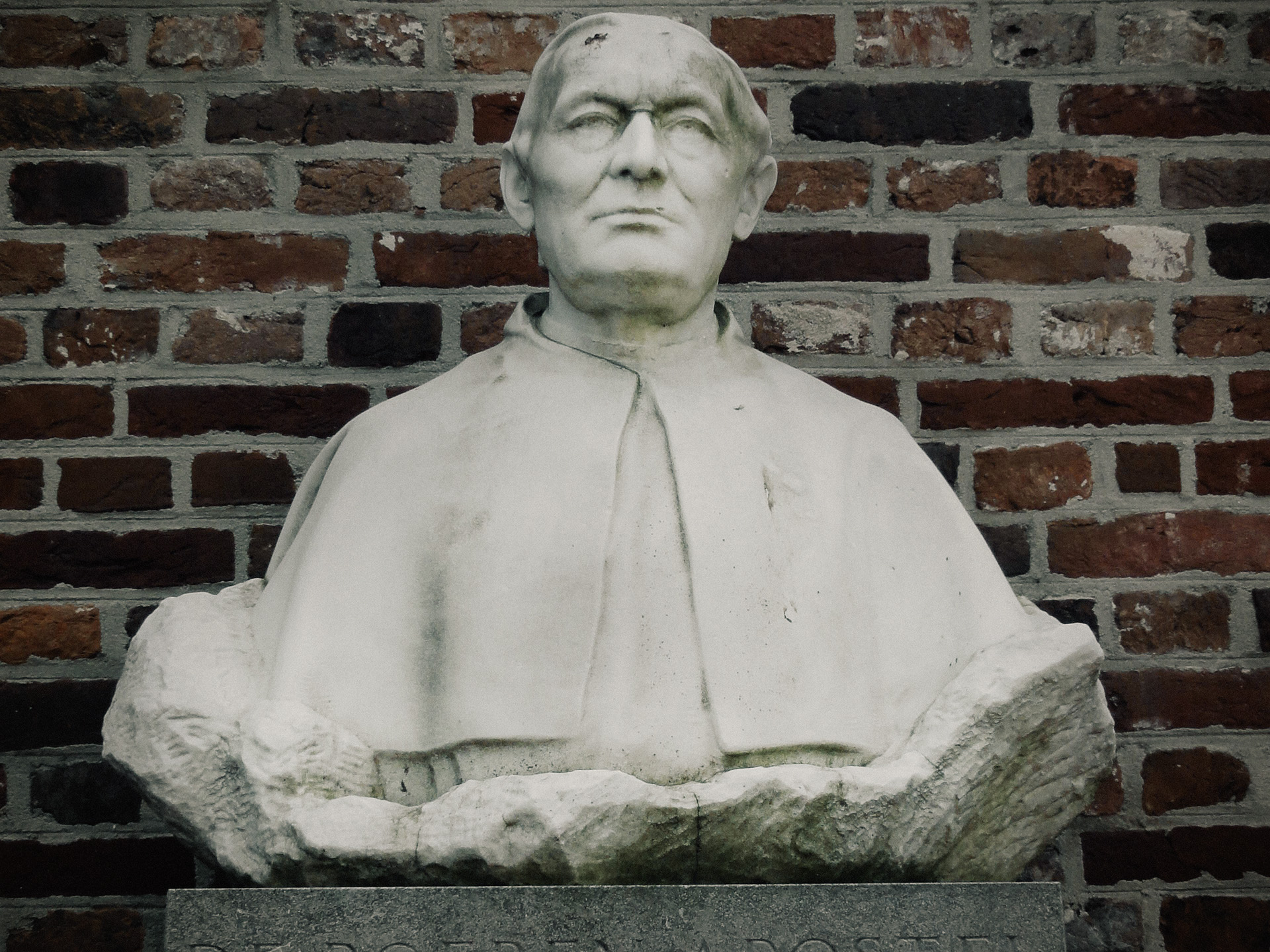
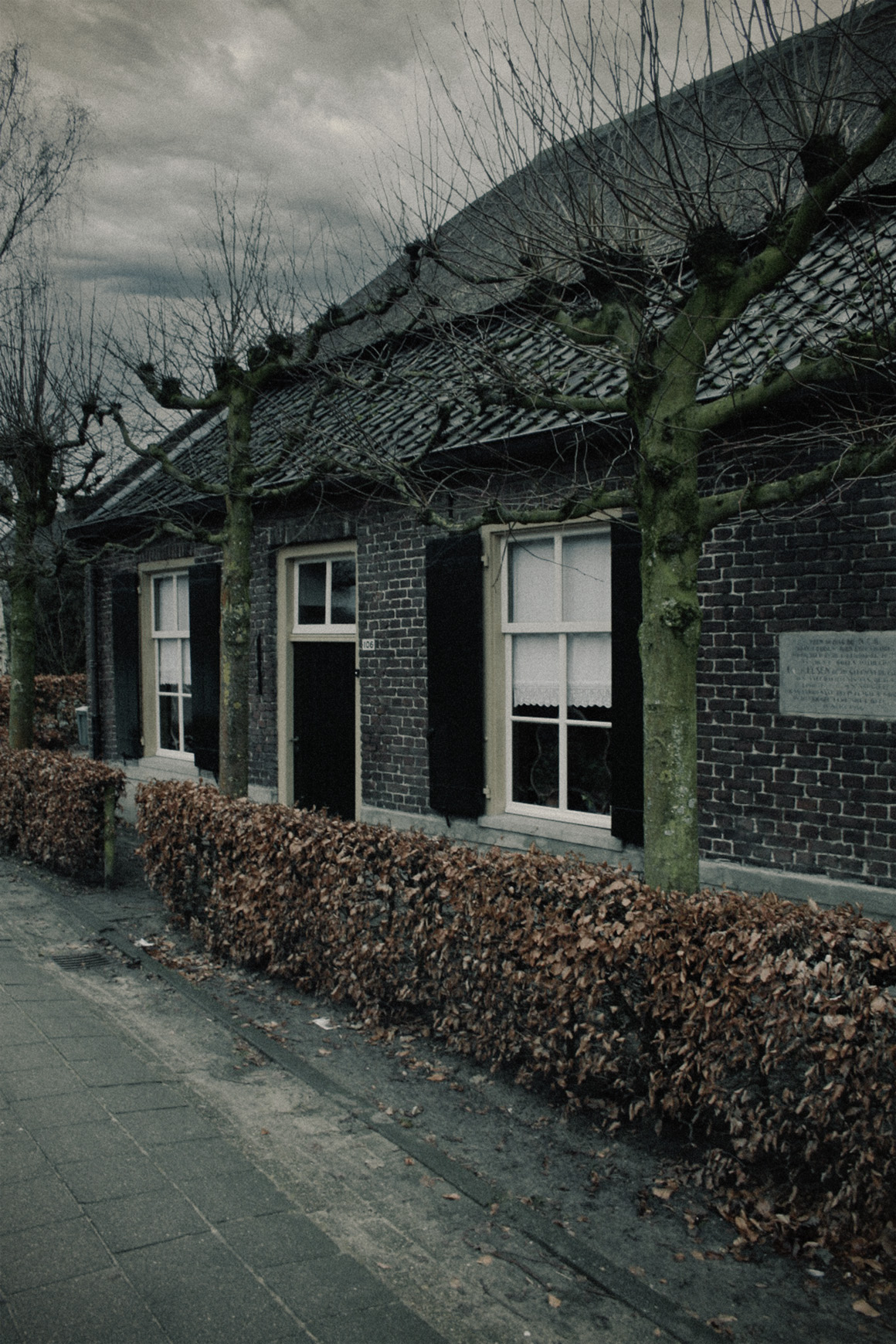
The Boerenbondsmuseum is located in the birthplace of Father Gerlacus van den Elsen, who lived from 1853 to 1925. Father Van den Elsen was the founder of the North Brabant Christian Farmers’ Union (now Z.L.T.O.) and of many agricultural cooperatives. The Boerenbondsmuseum hosts a permanent exhibition about his life and work, as well as the origins and development of the various cooperatives he helped establish.
Godefridus van den Elsen attended the Latin School in Gemert (the building still exists today and can be found on the Ruijschenberghstraat in Gemert) and became a Norbertine of the Abbey of Berne in Heeswijk in 1869. Upon entering the order, Godefridus adopted the monastic name Gerlacus, inspired by the well‑known Norbertine hermit Gerlachus from the Geul Valley in Limburg. After his ordination in 1876, he served for four years as a chaplain in Berlicum, where his connection with farmers and rural communities deepened. His most significant activities, however, would be carried out from the abbey.
Founding of cooperatives
As a farmer’s son, he was motivated by the agricultural crisis of the time to take action for struggling farmers. He believed that some form of organisation was essential. On 24 January 1892, he published his article De geduldige Landman (“The Patient Farmer”) in the Noordbrabantsche Dagblad. This ultimately led to the founding of the Noordbrabantschen Christelijken Boerenbond (N.C. Boerenbond or NCB) in 1896, in which Van den Elsen played a major role.
In 1898, he also co‑founded the Coöperatieve Centrale Boerenleenbank (CCB) in Eindhoven, inspired by the German Raiffeisen model. For many years he travelled tirelessly through the dioceses of ’s‑Hertogenbosch and Breda to establish local farmers’ unions and cooperative rural banks.
He fought steadfastly, stubbornly, and with great rhetorical force whenever farmers’ interests were at stake, such as during the “Butter War” (Boteroorlog) of 1904 — a conflict between the North Brabant Christian Dairy Union and butter traders over the use of the national butter quality mark.
Conservative
Father Van den Elsen opposed liberalism and socialism by advocating strongly for the religious and social development of farmers. He fought against excessive prices and unfair treatment, but also warned farmers against materialism. He wanted farmers to maintain their traditional way of life. He even had a saying: “A farmer with a moustache is a fool,” meaning that farmers should remain modest and simple. He was critical of farm girls who adopted modern city manners and abandoned traditional dress.
If Van den Elsen was strict with others, he was equally strict with himself: according to tradition, he studied at night with his feet in a bucket of cold water to stay awake. This is also depicted in the attic of Hove Vogelsanck, where his monastic cell from the Abbey of Berne in Heeswijk has been reconstructed.
Source: Gids Boerenbondsmuseum Gemert and the book Boerenapostel pater Gerlacus van den Elsen by Peter van den Elsen.
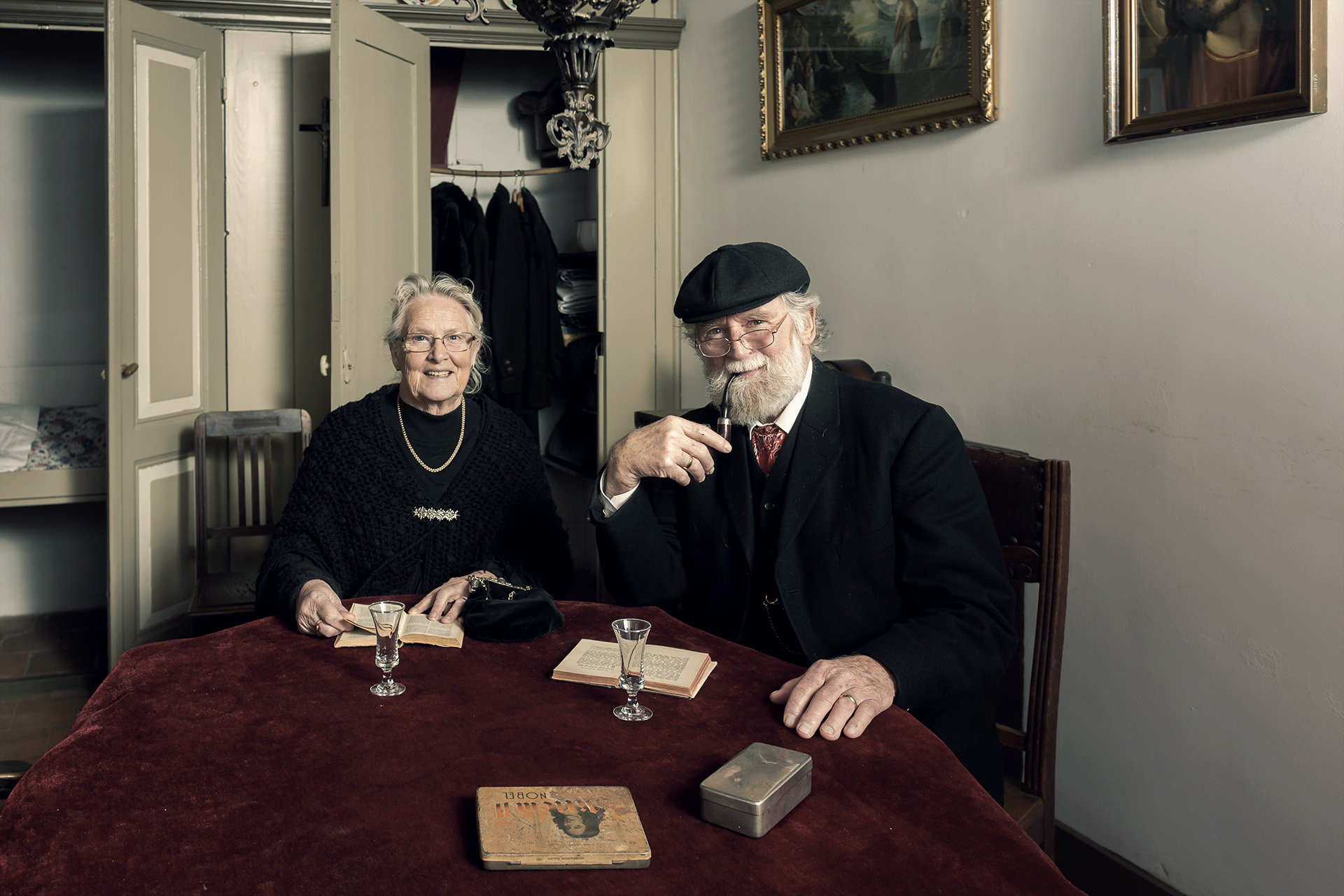
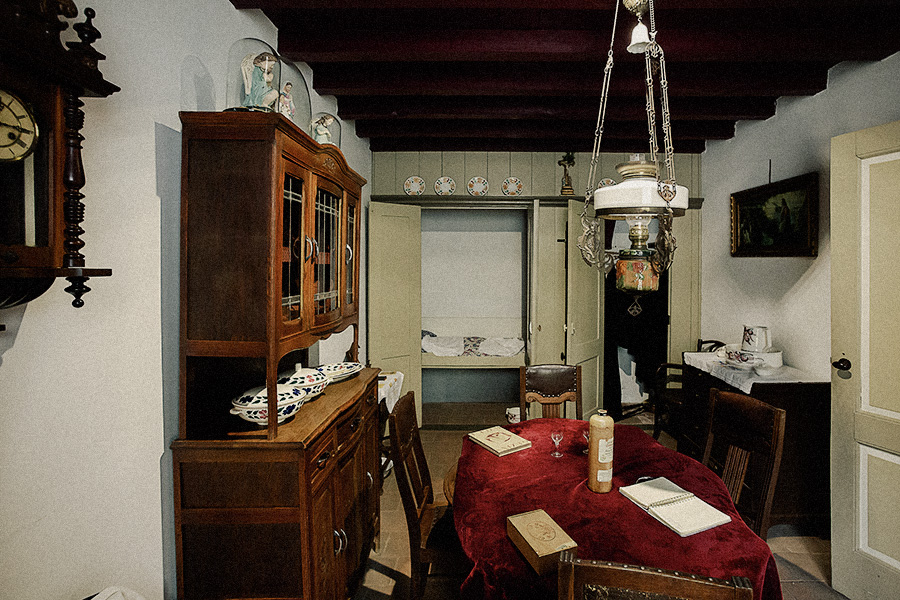
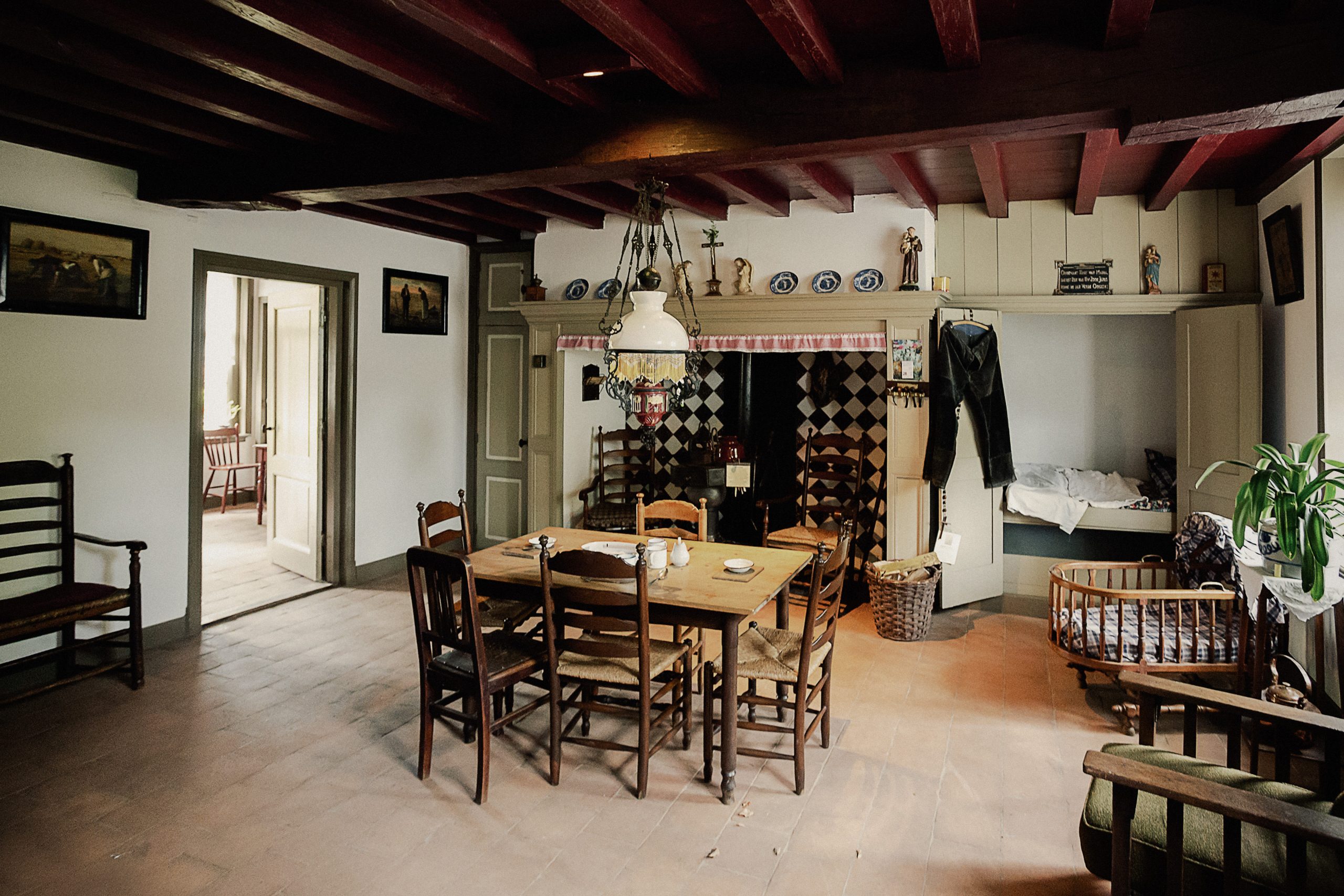
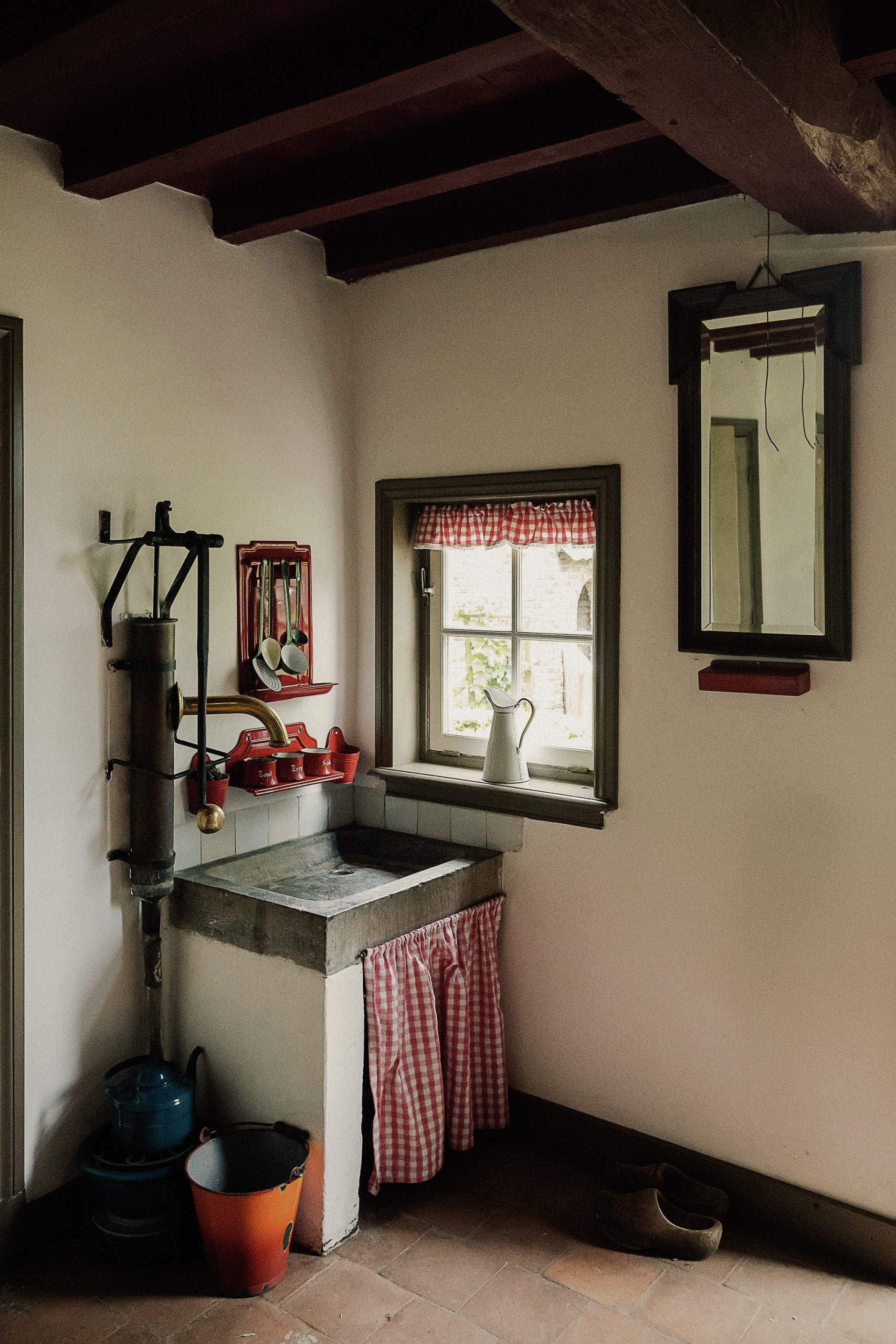
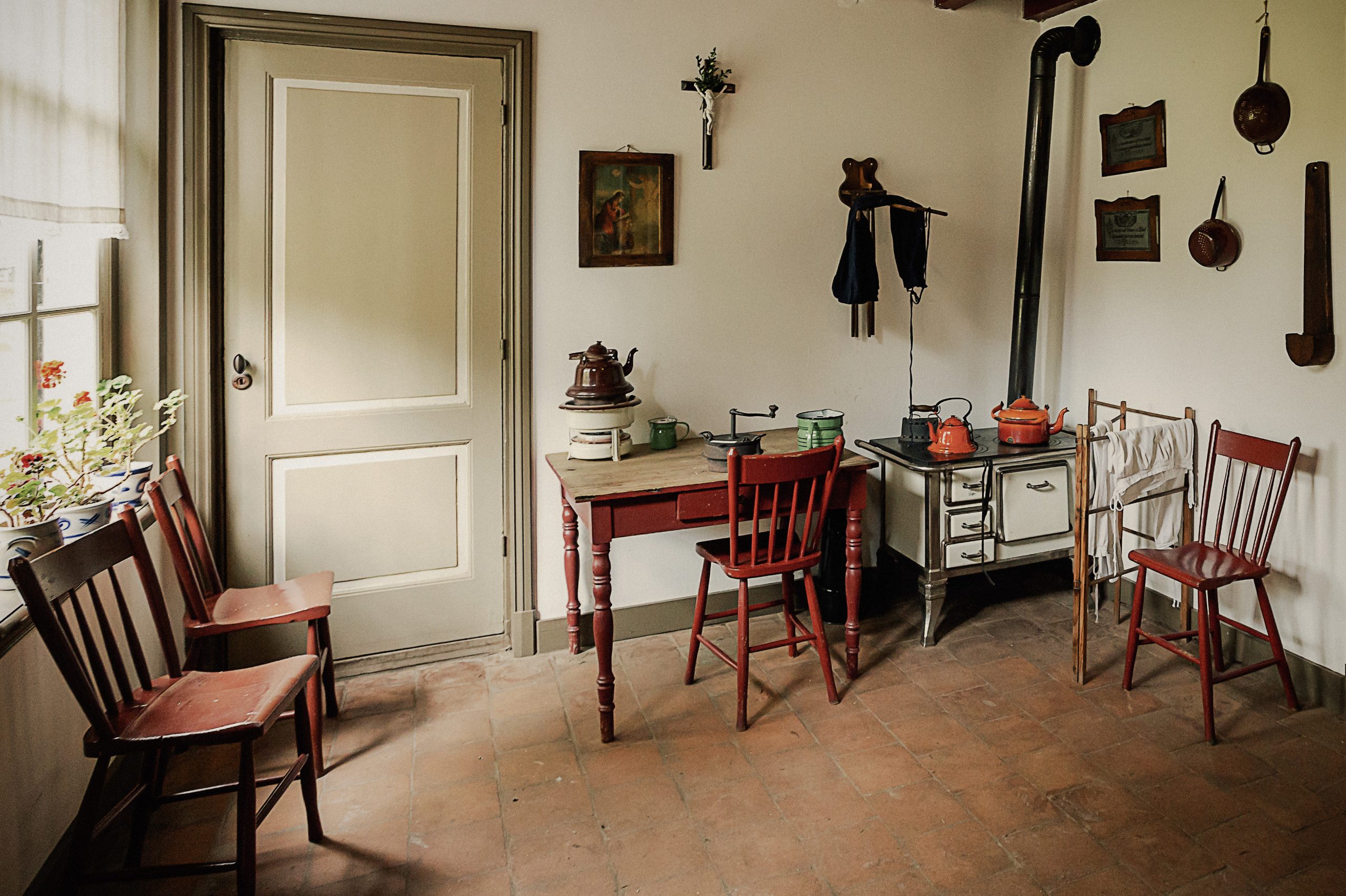
The birthplace of Gerlacus van den Elsen is the museum’s most distinctive building
It is a traditional long‑façade farmhouse, characterised by the living area, the stable, and the storage space being positioned side by side under one continuous roof. The geut (utility room) was mainly used during the summer. D’n herd (the living room) was typically used in autumn and winter. In the bedstead next to the stove, the parents often slept. In the past, it was common for newlyweds to move in with the parents. Next to d’n herd was the Goej kaomer, the “good room”. This room was reserved for visits from important guests such as the pastor, notary, or doctor. The bedstead in this room, however, was used regularly.
In 1979, the farmhouse was threatened with demolition due to the reconstruction of the provincial road from Gemert to Erp. The board of the N.C.B. did not see much value in preserving the farmhouse but did want the commemorative stone from 1956, located in the front façade, returned if the building were demolished. After much effort, the Father Van den Elsen working group of the N.C.B. district Gemert, De Mortel, and Elsendorp was able to begin restoration in 1985, as the reconstruction plans for the provincial road had been revised somewhat. The farmhouse no longer needed to be completely relocated. A major restoration and the construction of a bakehouse were carried out — marking the first steps toward what would become the Boerenbondsmuseum.