
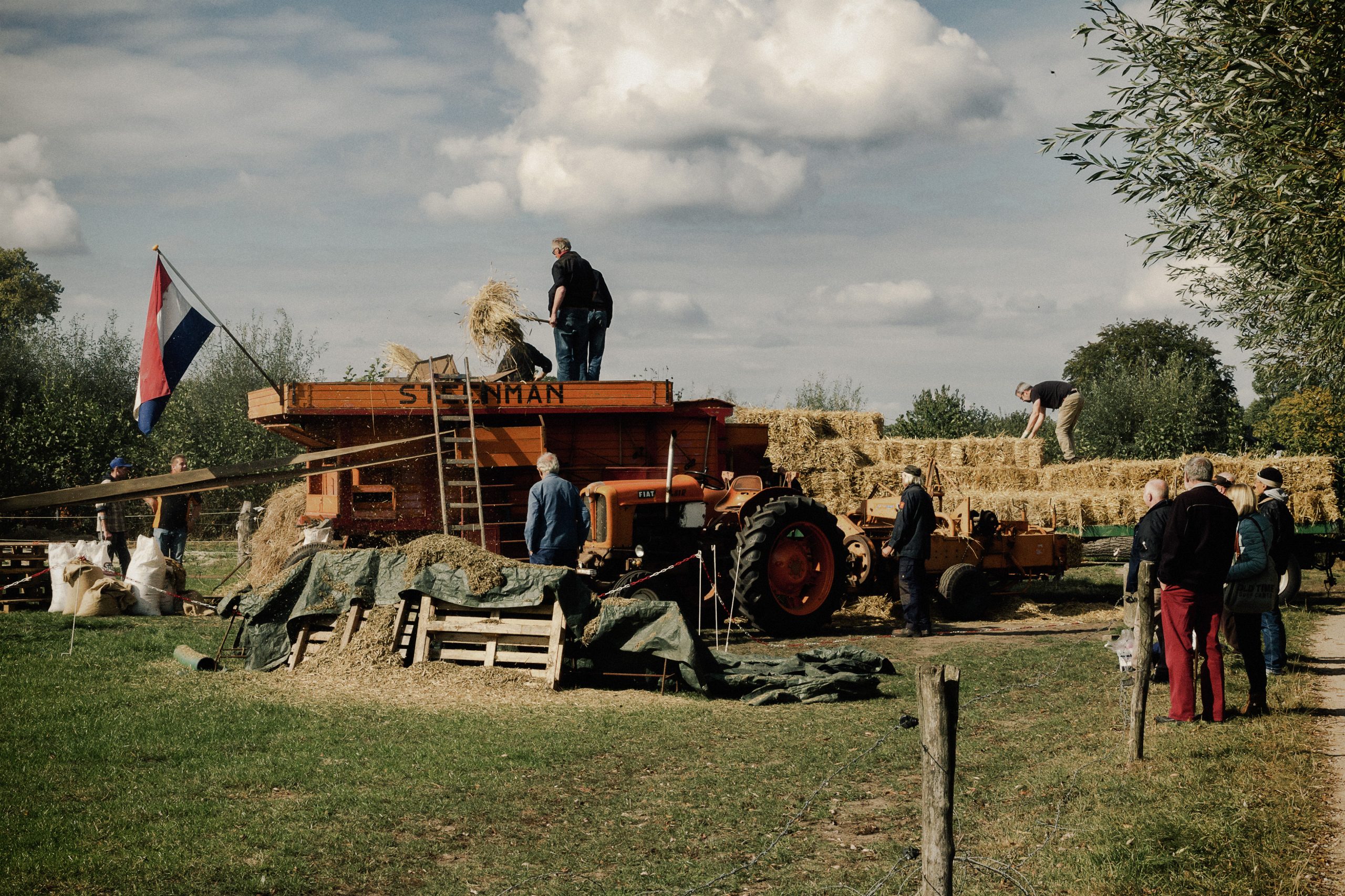
Brabant Threshing day
Visit the threshing day at the Boerenbondsmuseum and discover how grain was threshed before threshing machines existed.
-
11 oktober
-
13:00u tot 17:00u
-
Children may also help with threshing.
In August, the grain is harvested and left to dry on the stack. In October, it is threshed in the field and on the threshing floor. Farmers had to work hard to earn a living, and to bake bread they needed grain that was traditionally threshed by hand with a flail.
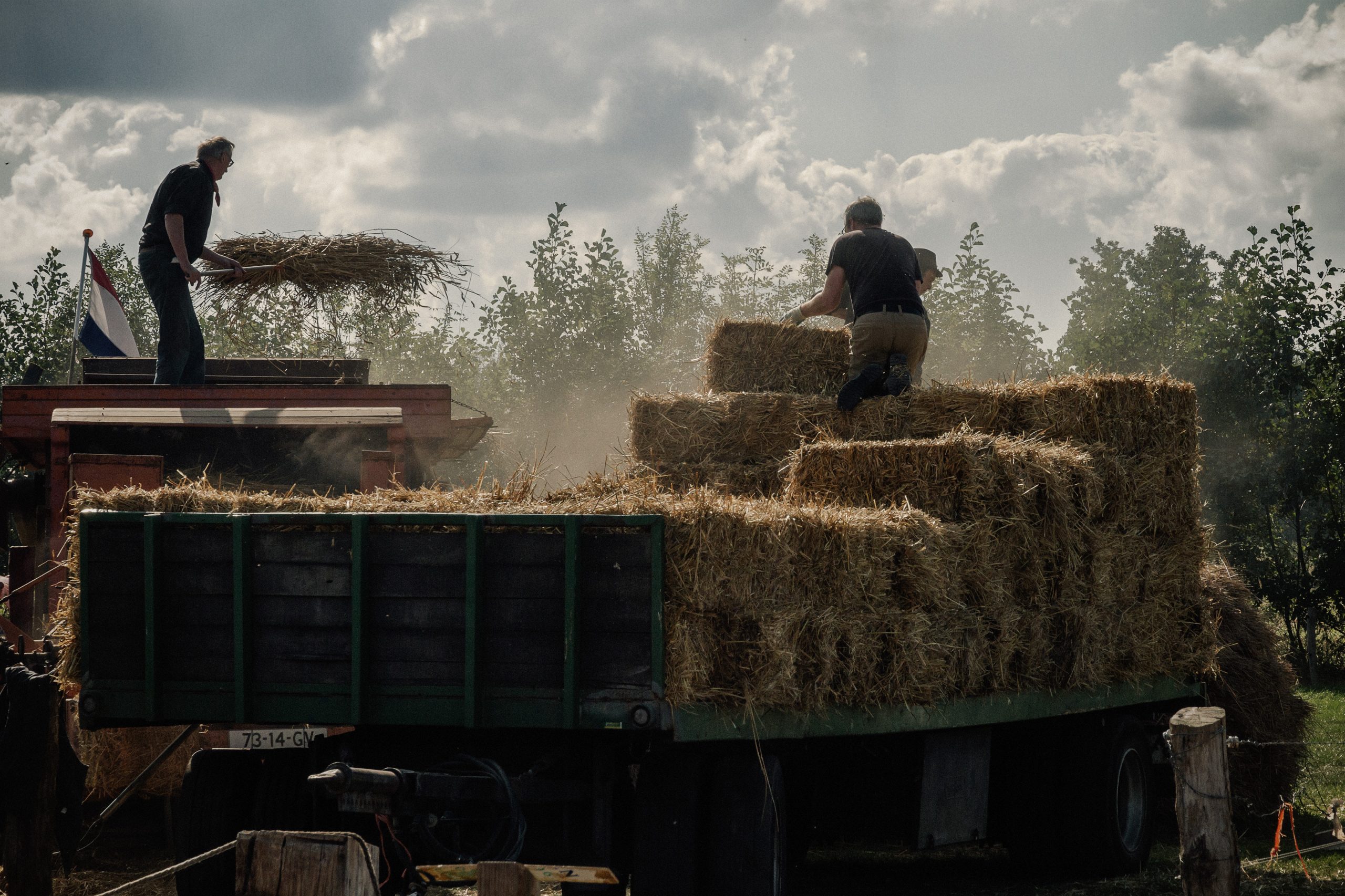
Threshing is the process of removing the grain from the ripe ear. Traditionally, men worked together in rhythm, taking turns swinging the flail. During threshing day, volunteers regularly demonstrate this manual process to visitors.
Only in the 20th century did threshing machines appear.
Discover more activities
What is threshing?
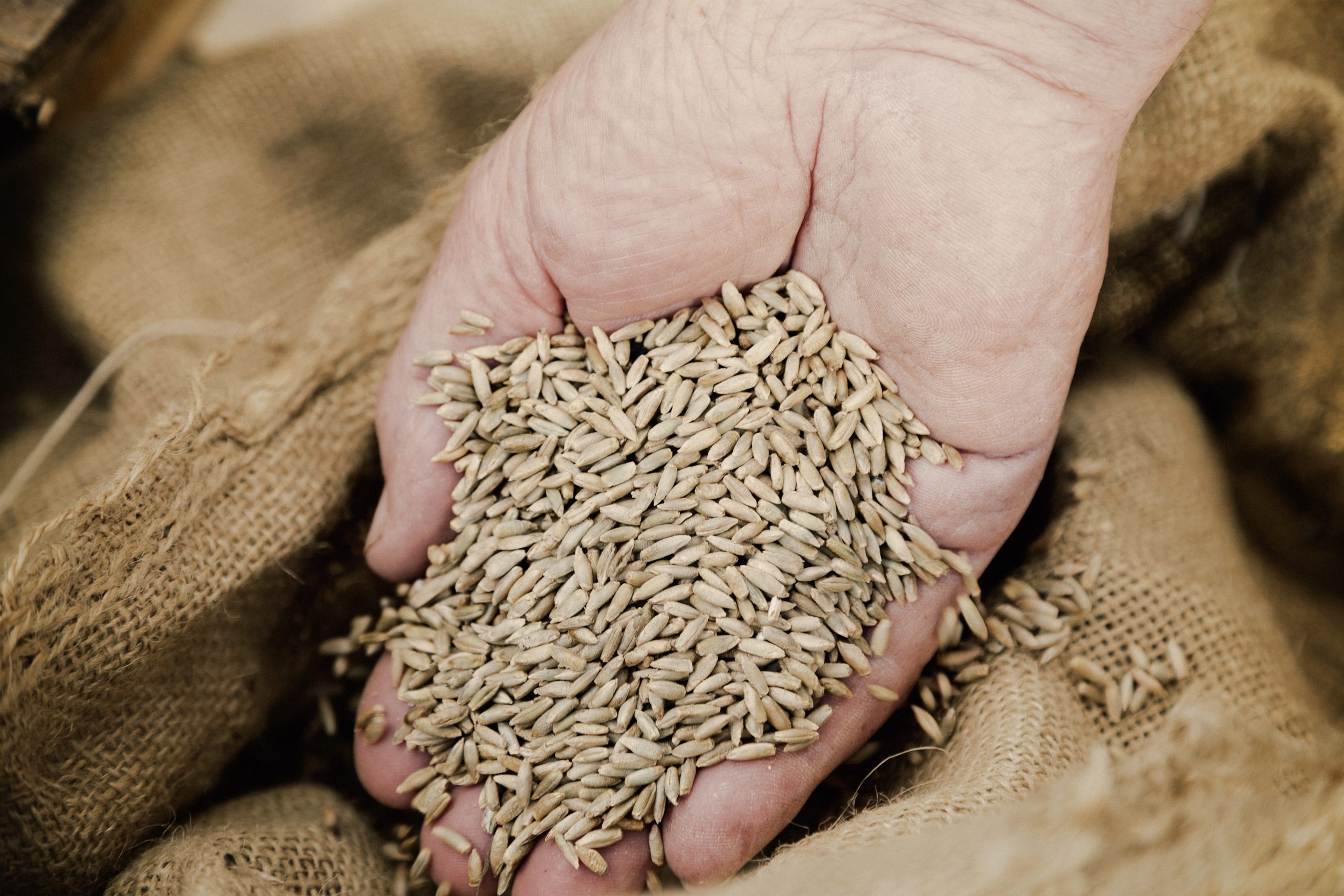
Threshing is the process of removing the grain from the ripe ear. Not all grains can be threshed; for example, spelt must be hulled rather than threshed.
The earliest tool was the threshing stick, used as early as 4200 BC — and archaeological finds show even older methods. Animals were also used by letting them walk over the grain.
A major improvement was the flail: a long wooden handle with a heavy striking part used to beat the sheaves until the kernels came free.
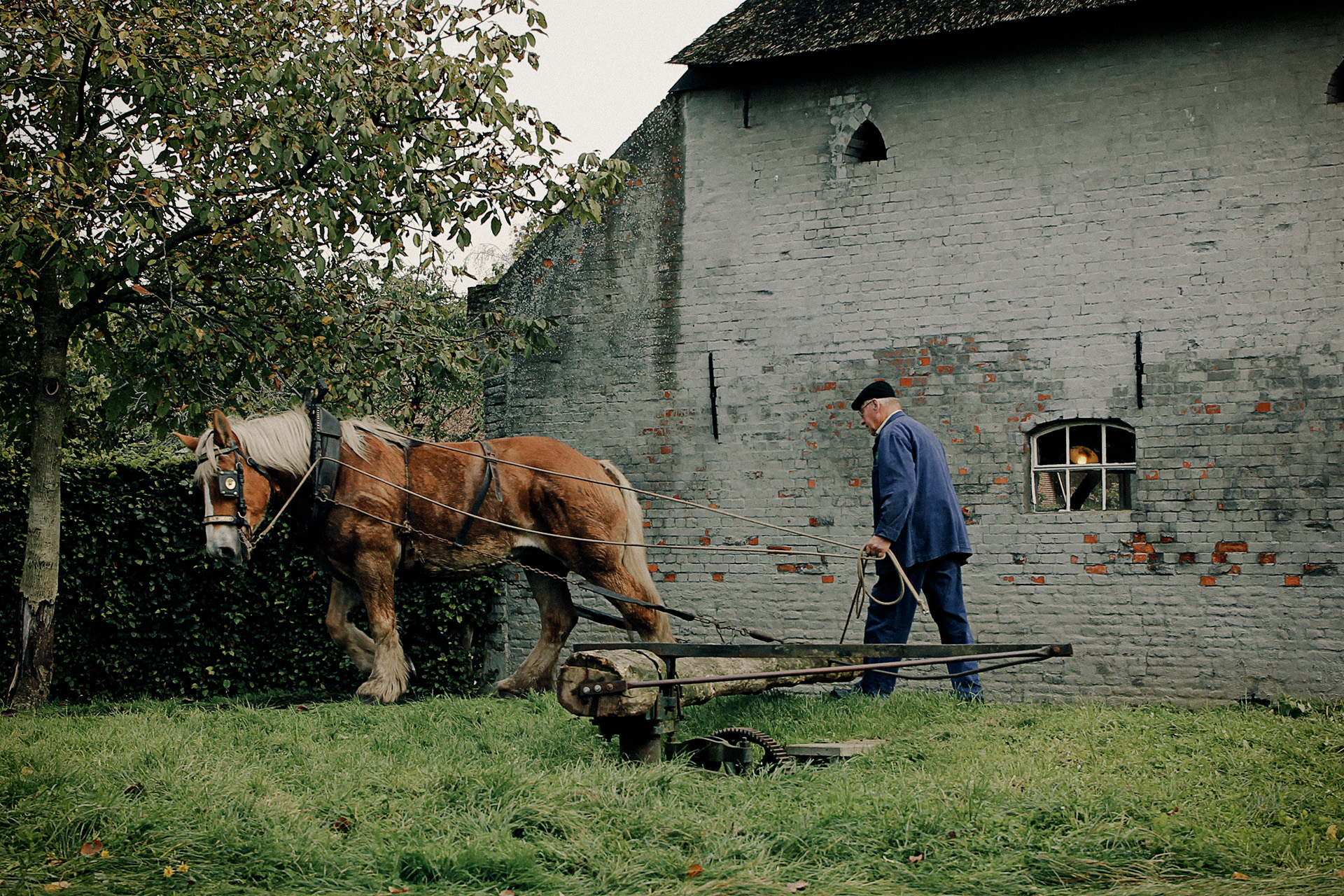
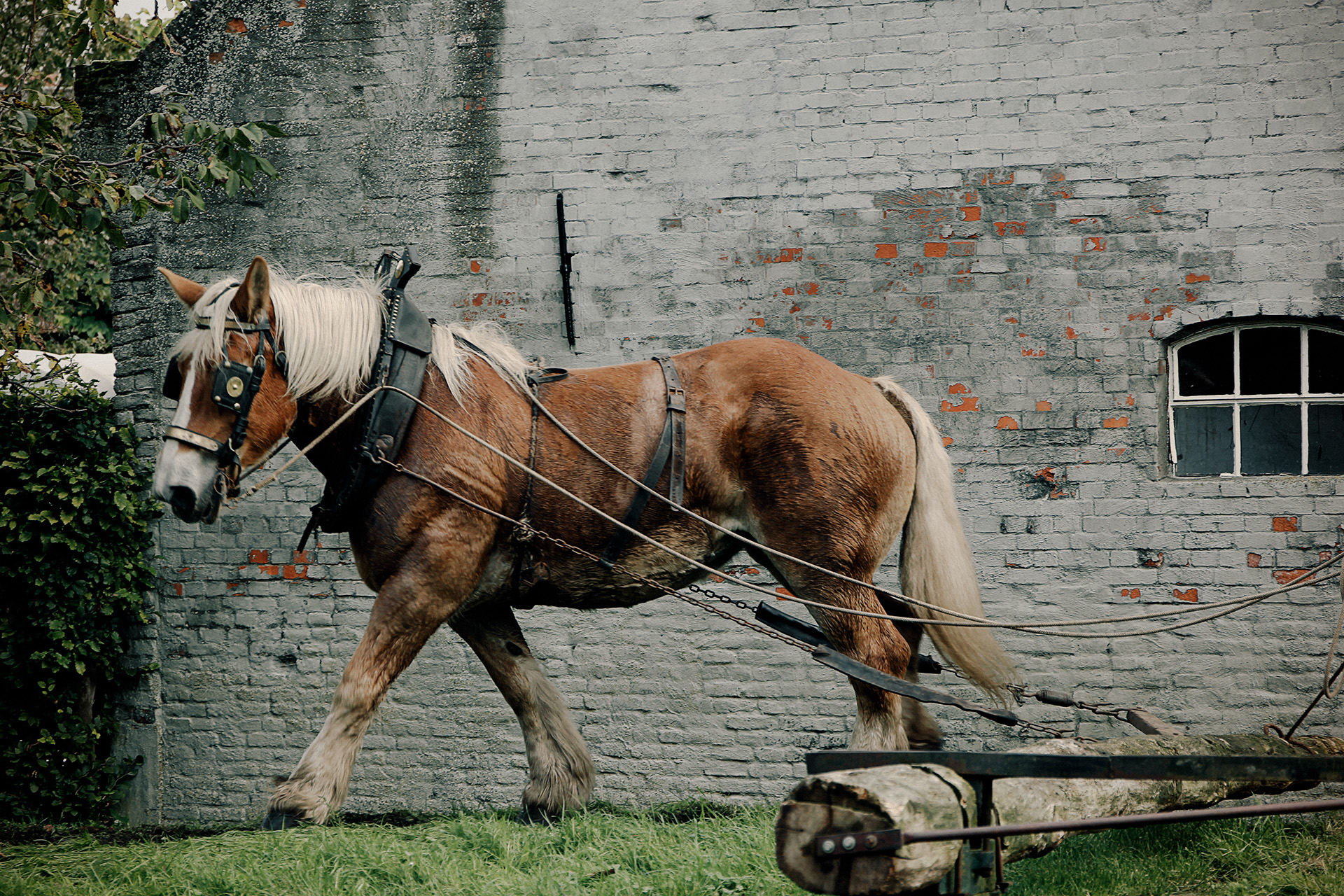
Next to the birthplace of Father Van den Elsen is a threshing hill where grain is threshed with the help of a horse.
The threshed grain was then cleaned with a winnowing basket and later with a winnowing machine. Some grains, like barley and rice, must be hulled after threshing.
The first threshing machine was invented in 1784 by the Scotsman Andrew Meikle. With the rise of the threshing machine, hand‑threshing disappeared. In a combine harvester, cutting, threshing and cleaning happen in one continuous process.